Two Clocks, One Stage: The Timekeeping Lesson Inside Wakati Wetu 2026
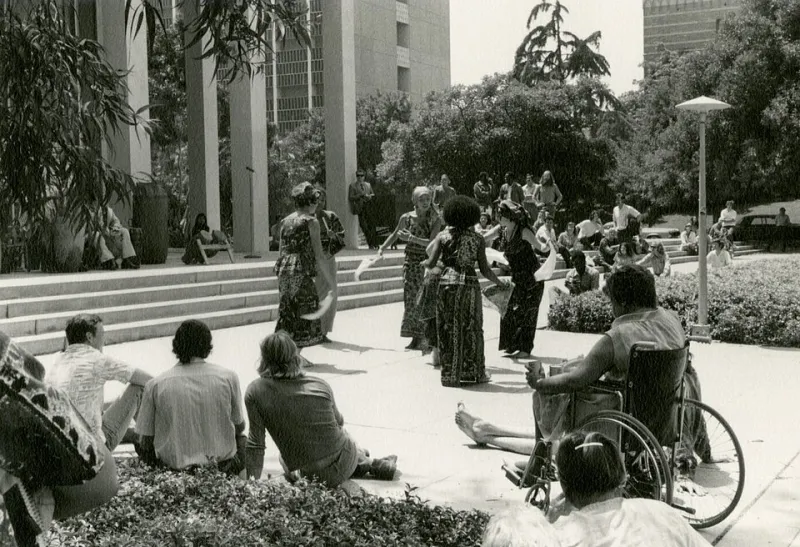
Photo: UCLA Library University Archives, CC0, via Wikimedia Commons
At 6:42 a.m. on the first load-in day at Wakati Wetu 2026, a production manager named Adaeze is holding a stopwatch and a clipboard, and she is not smiling. A shuttle loop is running four minutes behind because a gate volunteer misread a manifest. A food-stall captain is asking whether the plantain fryers can draw power before the sound crew finishes its line check. Somewhere backstage, a stage cue is being rewritten because the horn section wants eight more seconds of intro. Nobody is joking about "African time." Nobody has time for the joke.
That's the thing about the stereotype. It's lazy. It's also a distraction from what's actually happening at a festival like this one. Wakati Wetu — the name means "our time" — is not a single clock. It's two clocks running at once, and the friction between them is where the real cultural story lives.
The Stopwatch Doesn't Care About Your Punchline
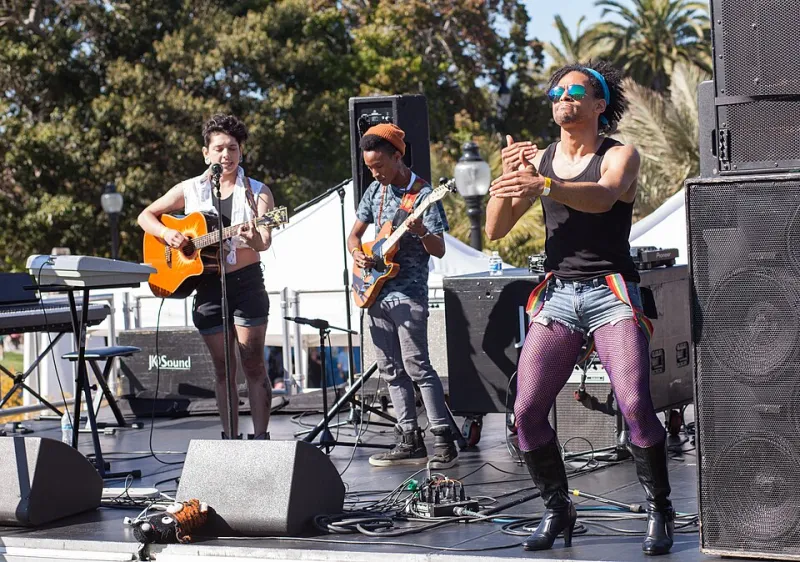
Walk the grounds during setup and you'll see a production operation that runs on the kind of precision US festival audiences usually associate with stadium shows. Shuttle loops are timed to the minute. Soundchecks are blocked in fifteen-minute windows, with a hard stop before the next act's line check. Food-stall prep has its own staggered schedule so that the fry oil is hot, the jollof is covered, and the lines don't cross into the stage barricade. Stage cues are called over comms with the same clipped urgency you'd hear at any major outdoor event in the States.
This isn't a novelty. It's competence. The idea that a festival rooted in African music and diaspora culture would somehow be loose with time is not just inaccurate — it's a way of not looking closely. Look closely and you'll see a crew that treats the schedule like a contract. When the doors open at 11 a.m., they open at 11 a.m.
Where the Schedule Breathes
But here's the part the stereotype misses in the other direction: the schedule is not the whole story. Wakati Wetu 2026 deliberately builds room for a different kind of time — the kind that arrives late, stays longer, and answers back.
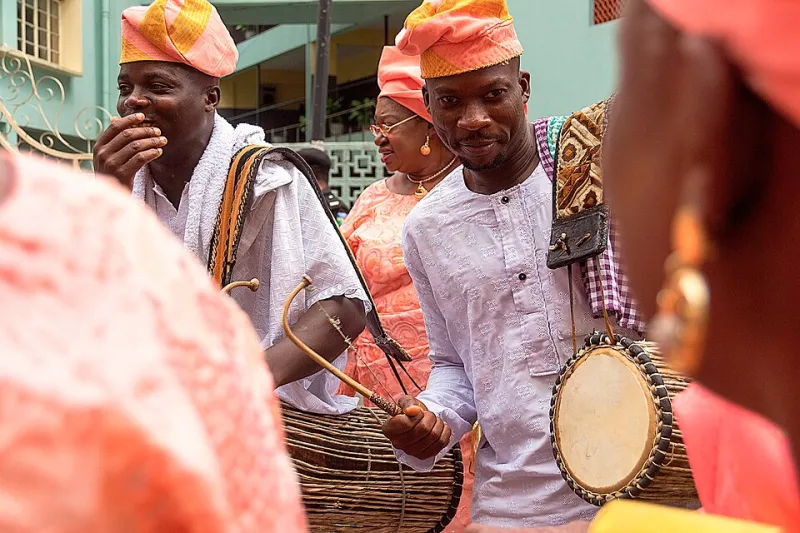
A headline set might start at 8:15 p.m., but the crowd around the main stage has been gathering since 6. Some people are eating. Some are greeting friends they haven't seen since the last festival. Some are waiting for the call-and-response that doesn't show up on any run sheet. When the artist leans into the mic and the audience finishes the phrase, that's not a schedule failure. That's the point.
The festival's production team knows this. They build in buffer around the biggest sets. They don't rush the moments when the crowd takes over a chorus. They treat late-arriving energy as part of the composition, not a problem to be solved. That's not "African time" — that's a different agreement about what time is for.
What US Festivals Can Steal
American festival-goers are used to a certain rhythm: gates open, sets start on the dot, and the crowd is expected to be in place. There's nothing wrong with that. But Wakati Wetu 2026 offers a useful contrast. The festival runs on split-second coordination behind the scenes so that the audience can have a looser, more communal experience in front of the stage. The precision serves the patience. The stopwatch makes room for the shout-back.
That's the lesson. It's not that one clock is better than the other. It's that a festival can hold both. The production clock keeps the shuttles moving, the fryers hot, and the stage cues tight. The cultural clock keeps the door open for the friend who arrives at 9:10 p.m. and still knows every word. When those two clocks are negotiated well, the result feels effortless. It isn't.
So the next time someone cracks a joke about "African time," point them toward the load-in crew at 6:42 a.m. Point them toward the food-stall captain timing the plantain. Point them toward the stage manager counting down the horn intro. Then point them toward the crowd answering a chorus back. That's the real timekeeping at Wakati Wetu 2026 — two clocks, one stage, and a festival that knows the difference between being late and being present.