Stroller Parking, Then a Downbeat: Field Notes From Wakati Wetu’s Kids’ Zone
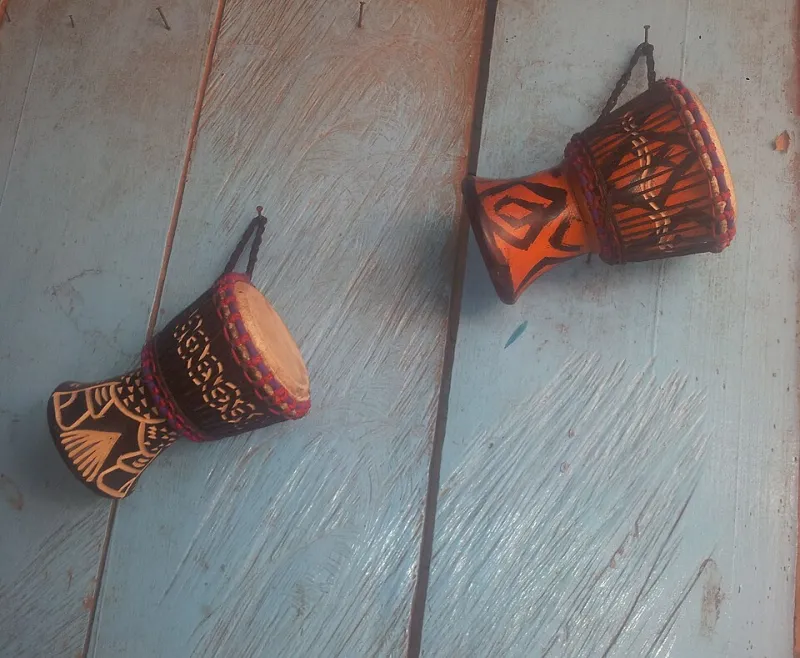
Photo: Joy Agyepong, CC BY-SA 4.0, via Wikimedia Commons
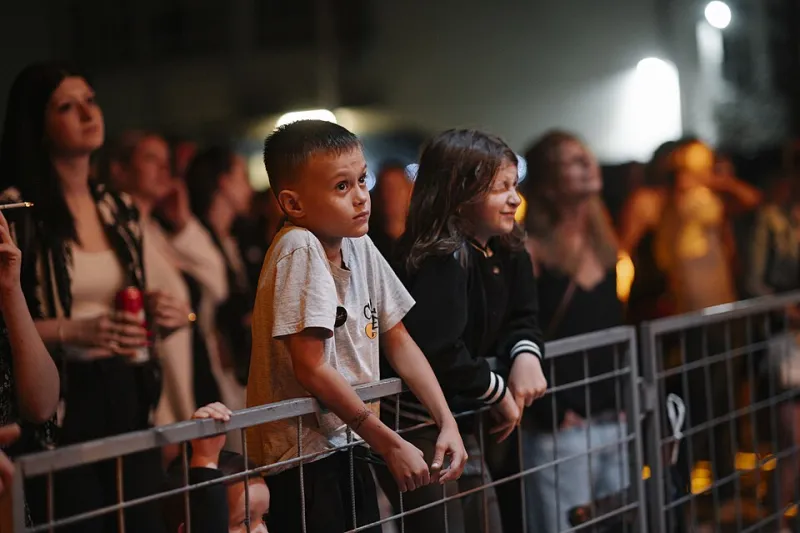
The first thing you notice at Wakati Wetu’s Kids’ Zone is not the noise. It is the parking. Strollers line up like small, impractical cars outside a school auditorium, and parents stand in that familiar half-circle: one eye on the kid, one eye on the schedule, one hand holding a water bottle and the other holding somebody’s shoes.
Then the drum starts, and the whole scene reorganizes itself.
The Kids’ Zone is easy to underestimate if you have never spent time in it. From the main path, it can look like a shaded patch of lawn with small instruments and a few volunteers. Up close, it is one of the more thoughtful listening spaces at Wakati Wetu 2026. It is built around a simple idea: children are not a distraction from the music. They are some of the festival’s sharpest listeners.
The Ear Cups Are Not a Costume
One of the first things parents notice is the ear protection. The Kids’ Zone keeps it visible and normal, not tucked away like a first-aid kit. For families coming from a loud summer of state fairs, ballgames, and backyard speakers, this is a useful correction. Small ears are not just shorter versions of adult ears. They need real breaks from volume, and they need gear that fits.
A foam plug rolled down to adult size and shoved into a kid’s ear is not a plan. The zone volunteers are clear about that. They help families find properly sized earmuffs, and they point out the quiet corners where the sound drops enough to have a conversation without shouting. It is not a medical lecture. It is practical festival knowledge, delivered at a table where somebody is also trying to find a missing sock.
The lesson for adults is not complicated: protection is part of participation. You would not send a kid to a pool without checking the depth. The same logic applies to a day of live music. The Kids’ Zone makes that check feel routine instead of anxious.
Instruments Built for Small Hands, Not Photo Backdrops
The percussion table is where the zone gets interesting. There are shakers, small hand drums, bells, and other instruments sized for children rather than for adults pretending to be children. A full-size djembe can turn a four-year-old into a spectator. A smaller drum lets that same kid become a player.
That difference matters. The zone is not arranged as a photo opportunity where a child poses with an instrument and moves on. It is arranged as a rotation. Pick up, test, pass, return. The volunteers model a light touch and a steady pulse. They do not rush the kids into a performance. They let them explore one sound at a time.
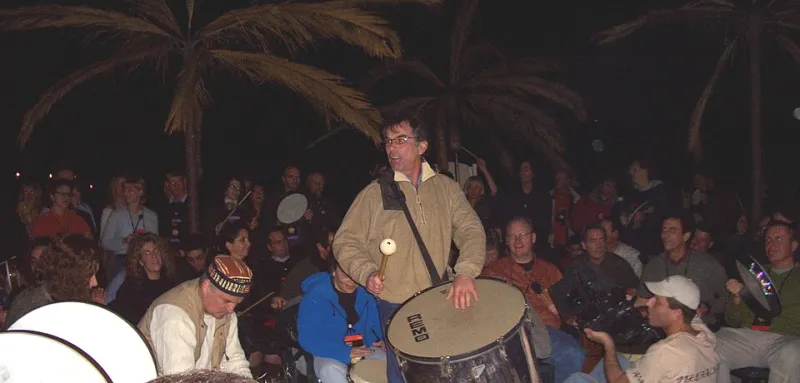
Adults, predictably, want to form a circle and start a rhythm. Children often want to do something else: tap the rim, turn the shaker upside down, listen to the bell once, then listen again. The zone allows that. It treats curiosity as a valid way to enter the music. By the time a kid joins the group pulse, they have already made a decision about the sound. That decision is the beginning of listening.
The Quiet Corner Is Part of the Setlist
Every festival has a volume curve. It rises through the afternoon, peaks at the main stage, and then slowly comes down. Families live inside that curve whether the schedule admits it or not. The Kids’ Zone builds in a downshift before anyone has to ask for one.
The quiet corner is not a penalty box. It is shade, a rug, water, and enough distance from the speakers to let a child reset. Parents use it for naps, snacks, sensory breaks, and the kind of slow conversation that is impossible near a subwoofer. It is also a good place for adults to notice their own pacing. A lot of parents arrive at a festival in sprint mode. The quiet corner makes rest look like part of the program, not a failure to keep up.
That is one of the quiet gifts of the zone. It gives families permission to leave the front row, come back later, and still feel like they were part of the day. At Wakati Wetu, community music is not a test of endurance. It is a shared room, and shared rooms need corners where people can breathe.
When the Child Hears It First
There is a moment that happens in the Kids’ Zone more often than adults expect. A child starts nodding before the grown-ups do. Maybe it is a bell pattern that repeats under the singing. Maybe it is the moment the shaker locks into the drum. The adults are waiting for the chorus, or the solo, or some obvious signal that the song has arrived. The kid is already inside the rhythm.
At one afternoon session this year, a small boy began tapping his knee while the rest of us were still figuring out where the beat sat. His mother laughed and said he was always early. But he was not early. He was listening to the part that holds everything together. Children are good at repetition. They hear the pattern before they have the vocabulary to explain it.
That is the lesson the Kids’ Zone keeps offering adults: stop waiting for the obvious cue. Listen lower. Listen longer. The smallest ears in the crowd are not empty. They are picking up structure, texture, and pulse, often before the adults have finished reading the schedule.
Let Them Lead the Dance Floor
The Kids’ Zone dance floor is small, which is part of its charm. Adults tend to stand at the edge with their arms folded, doing the parental perimeter walk. Kids tend to go straight to the middle. When a child starts a step, the adults follow. Not always well, but they follow.
That is worth preserving for the rest of the festival. Let a kid choose the tempo for a minute. Let them decide when to clap and when to stop. Let them stand still and watch. The zone works because it does not treat children as an audience for adult behavior. It treats them as participants with their own sense of time.
For parents, the practical version is simple. Bring proper ear protection. Plan a quiet block before the meltdown, not after. Keep water within reach. Let the child set the length of one rhythm game, then follow their lead on what comes next. And ask what they heard, not just whether they liked it. A kid who can tell you about the bell, the drum, or the funny shaker is already building a listening life.
Wakati Wetu’s Kids’ Zone does not promise that every child will become a drummer. It does something more useful. It makes room for small listeners to be taken seriously. By the time the strollers roll back toward the main path, the adults have usually learned something too: the festival is not only louder than they thought. It is more careful, more paced, and more communal. The smallest ears heard it first.