Paperwork, Pallets, and a Standing Ovation: The Long Road to Wakati Wetu's Main Stage
On a Tuesday morning in late summer 2026, a production manager in Lagos is refreshing an email thread about a consulate appointment. Six time zones away, a volunteer in the U.S. is checking a spreadsheet of cargo weights. Neither person is onstage. Both are already part of the headliner's set.
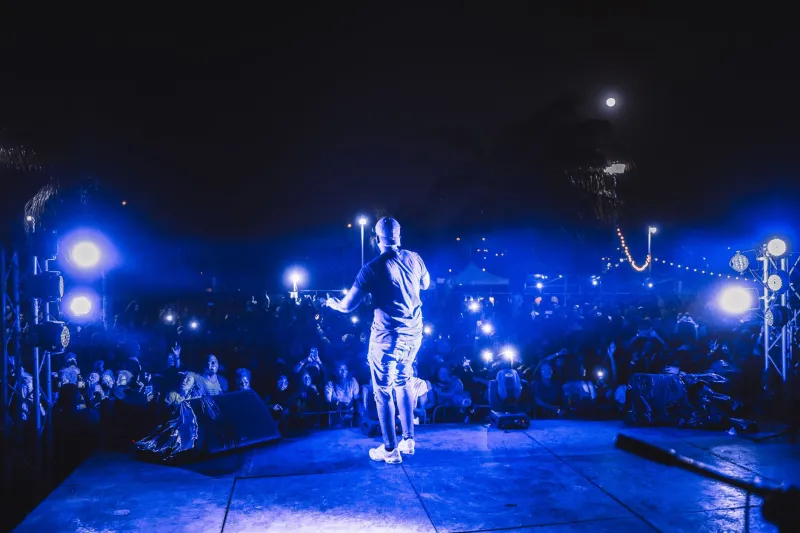
That is the part festival audiences rarely see. A main-stage performance at Wakati Wetu looks like 75 minutes of sweat, horns, and call-and-response. It is actually a year of forms, freight, favors, and follow-through. The visa, the cargo, and the chorus are not separate stories. They are one long production timeline, and the chorus only happens if the first two land.
The Paperwork Comes Before the Playlist
For an international artist heading to a U.S. festival, the first creative decision is often not a set list. It is a visa strategy. Artists and their teams need the right petition category, supporting letters from the festival, proof of professional standing, contracts, and a consulate interview slot that may be weeks or months out. One missing document can reset the whole calendar.
This is where diaspora partners become essential. A community group that can vouch for an artist's cultural role, a local promoter who understands the paperwork, a lawyer who has handled African arts visas before — these relationships are not decorative. They are infrastructure. Wakati Wetu's international pipeline depends on people who have done this before and are willing to share the map.
The artist's team is also making human calculations. A Lagos-based band may be leaving families, day jobs, and other bookings for a two-week U.S. run. The festival may be one stop, but the travel costs are not. Every added day of rehearsals, every buffer day around a consulate appointment, every changed flight has a cost that does not appear on a stage plot.
Pallets, Cases, and the Customs Math
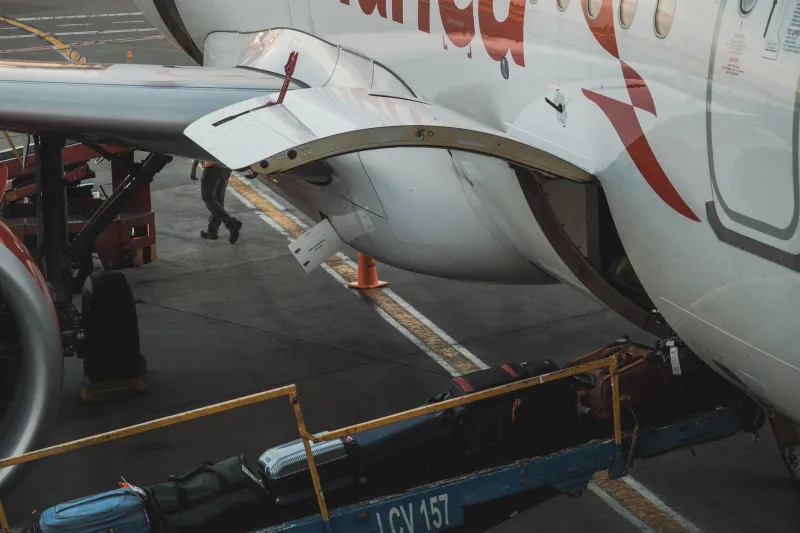
Then comes the cargo. A headliner from Lagos may travel with guitars, percussion, custom cases, trunks of fabric, and a backline list that assumes equipment the festival may not own. Some instruments fly as checked baggage. Some move as airfreight. Some are better sourced locally, if the rider can be flexible.
Customs clearance is its own backstage drama. A festival needs a broker, correct paperwork, and a realistic arrival window. A late pallet can mean a rehearsal without the exact drum, a borrowed amp, or a last-minute substitution that the audience never notices but the band never forgets. This is why experienced festival producers build in buffer days and why riders are negotiated with an eye toward what is actually available on the ground.
The rider conversation is not a diva checklist. It is a risk conversation. What does the artist need to sound like themselves? What can the festival provide? What can a local partner lend? What should be shipped, and what should stay home? The fairest deals are the ones where both sides name their constraints early.
Who Pays, and Who Carries the Risk
A main-stage international booking is a financial stack. There is the artist fee, yes, but also flights, ground transport, accommodations, per diems, visa fees, cargo, insurance, and the staff time to manage it all. Smaller festivals often patch this together with ticket pre-sales, diaspora business sponsors, community fundraisers, and a few anchor partners who believe in the booking before the box office proves it.
That fundraising is not glamorous. It looks like a benefit show at a church hall, a WhatsApp group of aunties selling plates, a local restaurant sponsoring the artist's ground transport, or a professional association buying a block of tickets. It also looks like transparency: clear contracts, deposit schedules, and a shared understanding of what happens if a visa is delayed or a flight is missed.
For U.S. festivalgoers, the ticket price is the visible part. The invisible part is a network of people absorbing uncertainty so the set can happen. When that network works, the audience sees a seamless night. When it fails, the artist may never make it to the stage at all.
A Fairer Pipeline for Smaller Festivals
In 2026, smaller U.S. festivals do not need to choose between international ambition and ethical production. They need better templates. Start with visa support funds built into the budget, not scraped together at the end. Use local production partners who know the venue and the customs landscape. Negotiate riders around what can be sourced regionally. Pay deposits on a schedule that lets the artist's team plan. Share risk in writing.
Most of all, treat diaspora partners as production partners, not just audiences. They bring language, trust, and community knowledge that no booking agency can replace. That is the real backstage crew for an international headliner — the people who answer the phone at odd hours, translate a contract clause, and make sure the artist has a meal that tastes like home.
The chorus is the easy part. It is the paperwork and the pallets that decide whether the chorus gets a microphone. At Wakati Wetu, our time and our sound depend on getting both right.