The Encore Isn’t the End: What Wakati Wetu Must Leave Behind in Host Neighborhoods
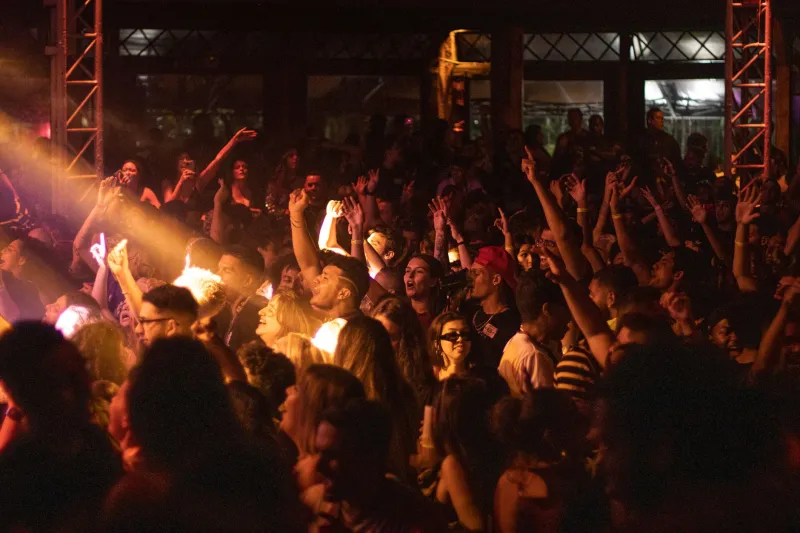
The last encore is a beautiful lie. The crowd spills out, the lights go up, the stage crew starts wrapping cables, and for a few hours the neighborhood around the festival grounds gets its streets back. But the story does not end there. The bass has been felt in kitchen windows for three days. The vendor receipts are still being counted. The buses are still idling. The questions residents asked in community meetings — about noise, parking, trash, and who actually gets paid — are still waiting for answers.
That is the argument Wakati Wetu should embrace as it plans its US future: a community festival’s real headline is what remains after the stages come down. Not the lineup poster. Not the viral clip. The aftermath.
This is not a knock on the festival. It is a challenge to make the off-stage footprint as intentional as the onstage programming. Wakati Wetu means “our time” — and “our” has to include the people who live near the grounds, not just the people who buy tickets.
The Block Doesn’t Clock Out When the Bass Does
Noise is the first test. Every outdoor festival says it takes noise seriously; fewer can show the receipts. A serious plan means sound monitoring at the property line, not just at the mixing desk. It means a resident hotline that a human answers during show hours, a clear curfew, and a commitment to adjust bass levels when the data says so. It also means talking to neighbors before the first soundcheck, not after the first complaint.
There is a cultural point here, too. African music festivals often celebrate communal rhythm — the drum, the dance floor, the call-and-response. That spirit should extend to the block. If the neighborhood can hear the festival, the neighborhood should also be able to reach the festival. A public noise log, published after the event, would do more than a thousand apologies.
Vendor Contracts Are Community Policy
Who gets to sell food inside the gates? Who gets the prime spots? Who gets paid on time? These are not small administrative questions. They are community policy.
A festival that claims to support diaspora-owned businesses should show how many local vendors were contracted, what they were paid, how booth fees compared with market rates, and how quickly invoices were settled. Small caterers and makers often cannot float a month of expenses while a festival office processes paperwork. If Wakati Wetu wants the neighborhood to feel ownership, the vendor list should look like the neighborhood — and the payment terms should be humane.
This is also a chance to avoid the token food-truck row. Local businesses should be woven into programming: a neighborhood chef hosting a tasting, a diaspora-owned record shop curating a listening station, a community arts group painting the stage backdrop. That is not decoration. It is partnership with a paper trail.
Transit Is Part of the Lineup
A festival can book the best artists in the world and still ruin the night with a bad exit plan. Transit access is not a footnote; it is part of the show. That means late-night shuttle options, clearly marked rideshare zones, safe walking routes, lighting, bike parking, and accessibility infrastructure that actually works for wheelchair users and people with mobility needs.
It also means thinking about residents who are not going to the festival at all. Street closures should be posted early. Loading zones should not swallow bus stops. If the festival adds traffic, it should help fund the fix — whether that is extra transit service, crossing guards, or a neighborhood shuttle. In US cities, where car dependency and patchy night transit are real, this is not a luxury. It is basic respect.
The Case for a Public Community-Benefits Report
Here is the standard Wakati Wetu should set: after every US festival, publish a community-benefits report. Not a glossy recap. A real document with numbers and lessons.
It should include local hiring figures, vendor spending, and the share of contracts that went to neighborhood and diaspora-owned businesses. It should report noise complaints received and resolved, with response times. It should disclose transit and traffic mitigation costs, waste diversion rates, and any donations or grants made to local organizations. It should include ticket affordability data — how many discounted or community tickets were actually used, not just offered. And it should be reviewed by a community advisory group with real neighborhood representation, not only festival staff and sponsors.
Will that report sometimes be uncomfortable? Yes. That is the point. A community-benefits report turns good intentions into something residents can inspect. It gives the festival a baseline to improve from and gives the neighborhood a way to hold it accountable without having to start from zero every year.
Year-Round Partnerships, Not a Weekend Drop-In
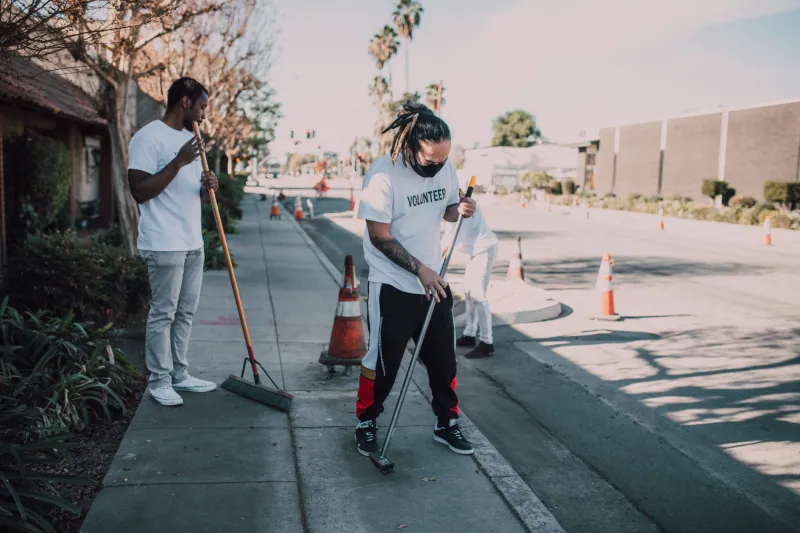
The deepest flaw in festival philanthropy is its seasonality. A check in July does not replace a relationship in February. If Wakati Wetu wants to be a real cultural institution in its host cities, it should build year-round partnerships: youth apprenticeships in sound, lighting, and event production; neighborhood grants for local arts groups; residencies for artists from the host city; and community advisory boards that meet throughout the year, not just before permit season.
That is how a festival becomes more than a temporary economic blip. It becomes part of the neighborhood’s cultural infrastructure. It hires locally, trains locally, and listens locally. It does not show up with a stage and leave with a receipt.
Wakati Wetu’s brand is about time and sound. The time part should include the months after the festival. The sound part should include the voices of the people who live within earshot. The encore is not the end. The neighborhood is the next verse — and the festival should be judged by how it treats it.