The Village Behind the Volume: 24 Hours Before Wakati Wetu Opens
T-24: The field becomes a grid
At 10 a.m. the day before Wakati Wetu 2026 opens its gates, the site already looks like a small town with no residents. Production manager Maya Okafor stands in the middle of a field marked with tape lines and flags. “We are not building a stage,” she says. “We are building a neighborhood for a few days.” Crews trace accessible routes, mark vendor slots, and stake signs for the community pavilion. The main stage is still a skeleton of steel. The amapiano tent is a pile of fabric and cable. But the map in Okafor’s head is already live.
T-20: Steel, cable, and coffee
By late morning, riggers are climbing and local stagehands are moving cases in a steady rhythm. Stage manager Derek Silva walks the deck with a clipboard and a radio, checking weight loads and weather plans. “The stage has to be boringly safe so the music can be exciting,” he says. A line of coffee cups collects on a folding table. Someone’s speaker plays a low-key highlife mix. The sound system is not on yet, but the field already has a pulse.
T-16: Soundcheck is a conversation
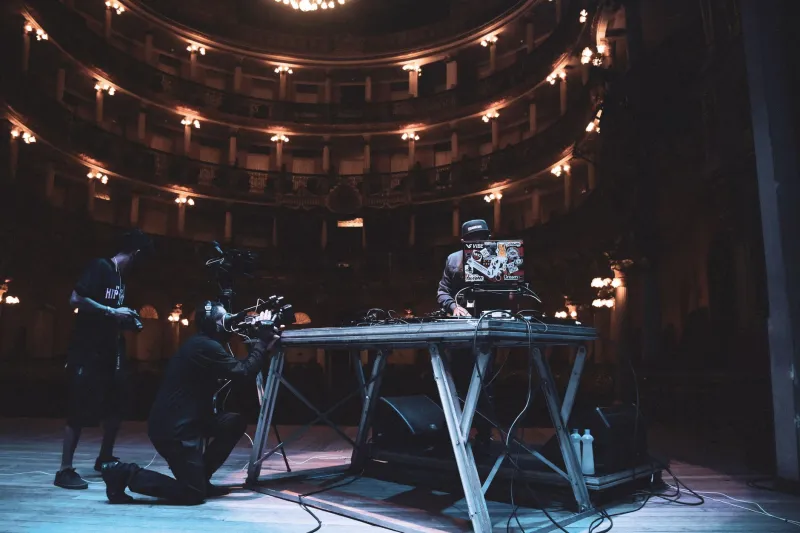
The first artist arrives in the afternoon. Nandi Mokoena, a Johannesburg DJ booked for the late amapiano slot, stands at the board while the crew runs through sub-bass levels. The check is not just about volume. It is about clarity, monitor mixes, cue points, and making sure the low end hits the body without swallowing the vocals. “The first audience is the crew,” Mokoena says. “If they are not moving, we adjust.” A few crew members laugh and nod. The log drums sound like a heartbeat through the field.
T-12: Vendor row starts smelling like home
By early evening, vendor row has turned into a kitchen. Auntie Fola, who runs a jollof rice stand, is arranging trays while her niece tapes up a menu. “People come for the music, but they stay for the food,” she says. Local organizer Ruth Mensah moves between stalls checking permits, compost bins, and cash-app signs. She says the market is not an add-on. “Small businesses are part of the programming,” Mensah says. “This is how the festival pays attention to the neighborhood it visits.”
T-8: Volunteers get radios and a pep talk
Volunteer coordinator Andre Lewis gathers a few dozen people under a tent for a final briefing. They get radios, lanyards, and a crash course in accessibility, consent, and hydration. “Hospitality is infrastructure,” Lewis tells them. “If someone cannot find water or a ramp or a quiet space, the music does not matter as much.” The volunteers practice radio calls and walk the site in small groups. Within an hour, they know where the medics are, where the accessible viewing area sits, and how to answer the question everyone will ask: where is the bathroom?
T-4: The shared meal
As the sun drops, crew and artists eat together at long tables behind the main stage. Kwame Boateng, a highlife guitarist leading a community workshop the next morning, passes a plate and talks about the festival’s cross-generational pull. “The workshop is not a side stage,” he says. “It is the reason some people come.” A stagehand shows a DJ how to find the quiet room. A vendor sends over extra plantains. For a few minutes, the temporary village actually feels like one.
T-1: The quiet hour
An hour before gates, the site goes quiet in a way that feels deliberate. Security walks the perimeter. Medics check radios. Okafor and Mensah do a final loop past the community pavilion, the accessible viewing platform, and the water stations. “Every year, the last hour is the same,” Okafor says. “You think you are ready, and then you find one more thing.” She laughs. “That is the job.”
T-0: Gates open
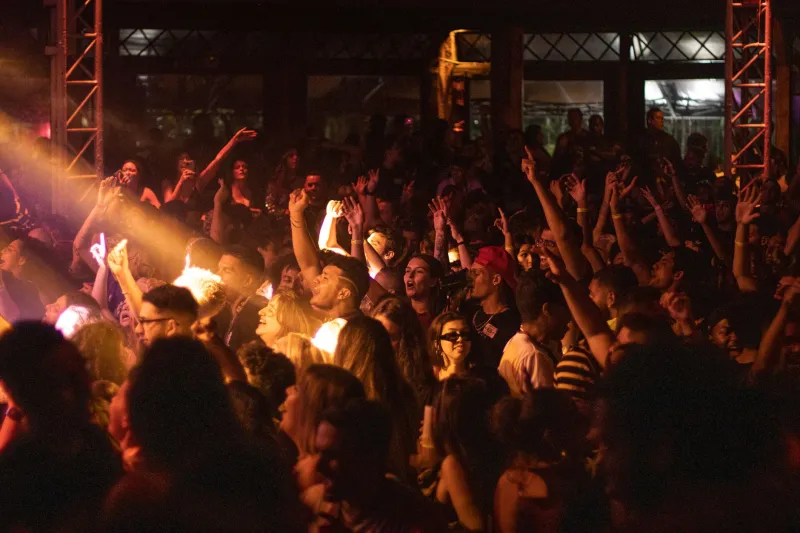
At last, the gates open. The first rush of ticket holders moves toward the main stage, phones up, voices loud. Crew members step back into the shadows and watch the field fill. The soundcheck is over. The village is live. Wakati Wetu means “our time,” and for the next few days, the time belongs to everyone who walked through the gate—and everyone who built the gate in the first place.