Lagos, Jozi, Nairobi, Accra: An Ears-First Guide to Wakati Wetu’s 2026 Sound
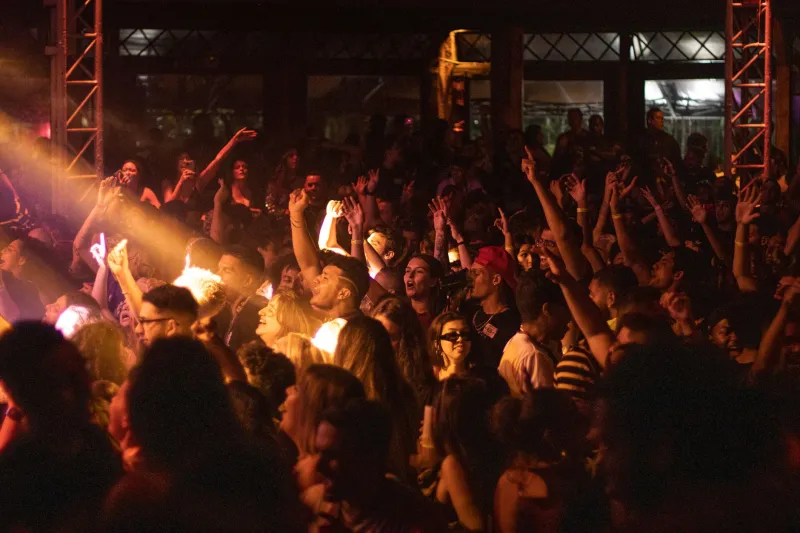
At Wakati Wetu, the lineup poster can make it look as if “African music” is one big room with one big sound. It is not. Walk from a Lagos Afro-pop set to a Johannesburg amapiano DJ and then toward an alté singer-songwriter, and the tempo, the bass weight, the language, even the way people dance will change. That is the fun of it — and the reason a little listening homework pays off.
This guide is for the sonically curious: the US festival-goer who has heard the hits, maybe saved a few songs on a playlist, and wants to hear the differences instead of flattening them. Think of it as a map, not a ranking. No genre here is “more African” than another. They are different scenes with different cities, different studios, and different stories.
Start With the Groove, Not the Genre
Afrobeats — usually the Lagos, Nigeria, branch of the family — tends to sit in the 100–110 BPM range. You will hear a syncopated kick-and-clap pattern, rolling shakers, warm bass, and a vocal hook that lands before you realize you have learned the chorus. Its lineage is a tangle: highlife, Fela Kuti’s Afrobeat, dancehall, R&B, and Nigerian pop. Artists from Lagos often move between English, Yoruba, and Nigerian Pidgin in the same song. If the crowd is singing a hook back at the stage, you are probably in Afrobeats territory.
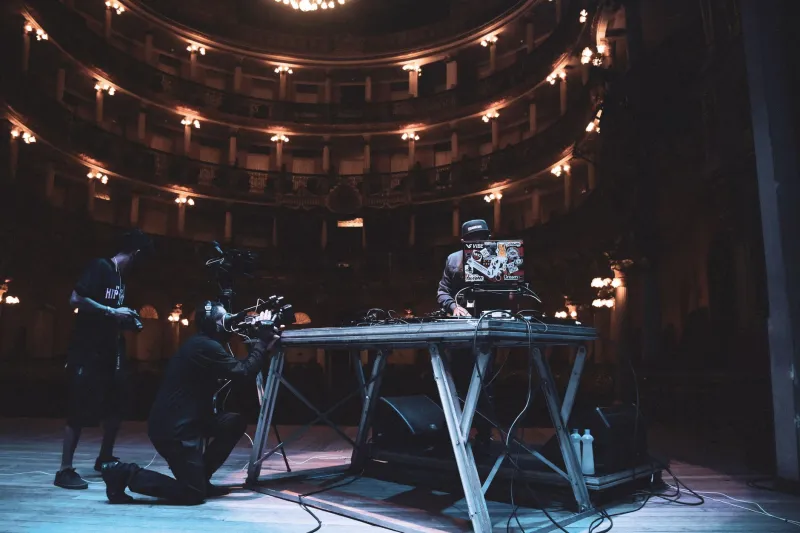
Amapiano comes from Johannesburg and Pretoria in South Africa, and it behaves differently. It is often around 110–115 BPM, but it feels more spacious. The signature is the log drum — that deep, rounded bass thump — along with airy pads, jazz-tinged chords, shakers, and long stretches where the groove does the talking. Its roots reach into kwaito, deep house, and South African jazz. A good amapiano set is not a sprint. It builds, leaves room, and lets the dance floor settle into a sway before the next lift.
Alté is trickier to pin down, which is the point. The term grew around Lagos’s alternative scene, but it is less a tempo than an attitude: R&B, soul, highlife, electronic textures, hazy production, and a refusal to color inside Afro-pop lines. You might hear it in a Lagos club or a Nairobi listening party. It can be slow and intimate or unexpectedly club-ready. Do not expect every alté artist to sound like the last one.
And because Wakati Wetu draws from more than two cities, keep your ears open for Nairobi’s Afro-fusion and gengetone energy, and Accra’s highlife-rooted Afro-pop. The point is not to memorize labels. It is to notice what changes when the city changes.
A 10-Track Starter Playlist
This is not a definitive canon. It is a set of doorways. Play it in order, then shuffle it and see what your ears catch.
- Wizkid — “Ojuelegba” (Afrobeats): a Lagos classic that shows how much melody can carry a groove.
- Burna Boy — “Ye” (Afrobeats): heavier, more humid, with a chorus that opens up live.
- Tems — “Free Mind” (alté/R&B): slow-burn vocals and space around the beat.
- Amaarae — “Sad Girlz Luv Money” (alté/Afro-fusion): playful, global, and impossible to mistake for a generic Afro-pop template.
- Kabza De Small and DJ Maphorisa — “Sponono” (amapiano): a log-drum primer with patience built in.
- Sha Sha — “Tender Love” (amapiano): vocals floating over a clean, rolling groove.
- Uncle Waffles — “Tanzania” (amapiano): a DJ-led track that shows how amapiano can be a crowd event, not just a song.
- Sauti Sol — “Suzanna” (Kenyan Afro-pop): warm harmonies and a melody-forward East African bridge.
- Bien — “Inauma” (Kenyan Afro-fusion): a more intimate vocal turn that rewards close listening.
- Gyakie — “Forever” (Ghanaian Afro-fusion): highlife sweetness meeting modern Afro-pop polish.
If you only have time for three before the festival, start with “Ojuelegba,” “Sponono,” and “Free Mind.” That trio will at least teach your ears that the bill is not one long song.
A Small Glossary for the Scene-Curious
Afrobeats is the contemporary West African pop wave associated with Lagos and Accra, not the same as Fela Kuti’s Afrobeat — a 1960s–70s political funk movement. The “s” matters.
Amapiano means “the pianos” in Zulu, but the defining sound is usually the log drum, not a grand piano. It is a South African genre with deep-house and kwaito DNA.
Alté is shorthand for alternative Nigerian music — R&B, soul, electronic, and indie-adjacent sounds that sit outside mainstream Afro-pop. It is a scene word, not a strict tempo.
Log drum is the low, percussive bass sound that anchors a lot of amapiano. Once you hear it, you will start noticing it everywhere.
Kwaito is a South African genre that emerged in the 1990s, with slowed-down house beats and spoken or chanted vocals. It is one of amapiano’s ancestors.
Highlife is a West African dance-music tradition with guitar lines and horn arrangements that fed into Afro-pop and Afro-fusion.
Gengetone is a Kenyan street-rap and dance sound that grew out of Nairobi’s neighborhoods. It is fast, raw, and often playful.
Afro-fusion is a broad label for African artists mixing pop, R&B, dancehall, electronic music, and local styles. Useful, but slippery.
Pull up is what a DJ does when the crowd demands a rewind. In a good set, it is a compliment, not a malfunction.
Moving Between Sets Without Treating Stages Like a Checklist
US festival crowds love a plan. Wakati Wetu rewards a looser one. Leave ten minutes between stages so you are not sprinting through a crowd while a log drum drops. Wear earplugs — not because the music is bad, but because you want to hear the detail. Drink water before you feel like you need it, and check the venue’s bag and transit rules before you arrive.
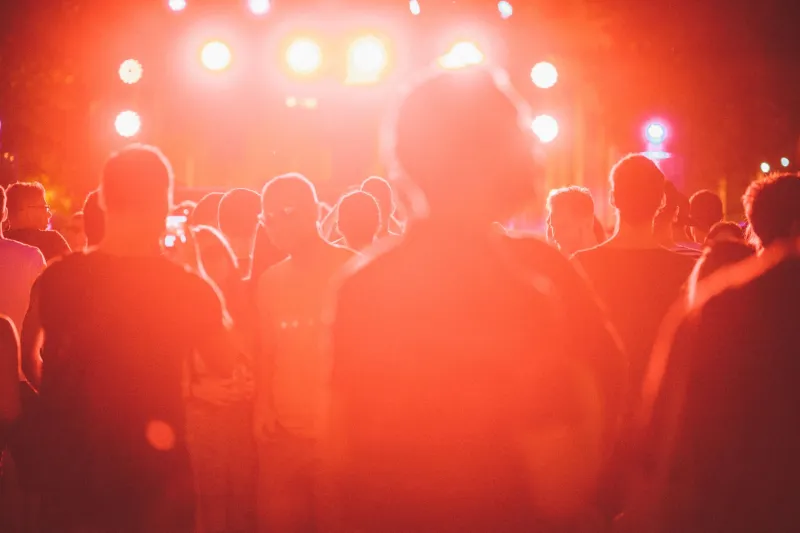
Do not treat every African artist as a representative of an entire continent. If an amapiano set feels slower than the Afrobeats set you just left, that is not a warm-up or a wind-down. It is a different tradition with its own logic. Watch the dance floor: in amapiano, the moves are often lower and more grounded; in Afrobeats, the shoulders and arms do more work. Let the crowd teach you.
And if you catch yourself saying “African music” as a catch-all, try naming the city or the scene instead. Lagos Afro-pop. Johannesburg amapiano. Nairobi Afro-fusion. Accra highlife-pop. The names are not gatekeeping. They are handles — and at Wakati Wetu 2026, they are how you find your way from one good room to the next.