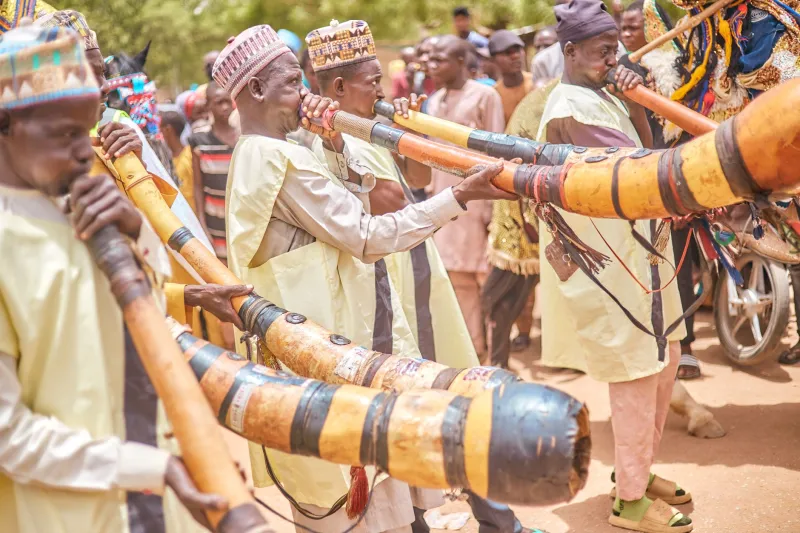
Front-Row Folding Chairs: Why Wakati Wetu's Elders Are the Festival's True Headliners
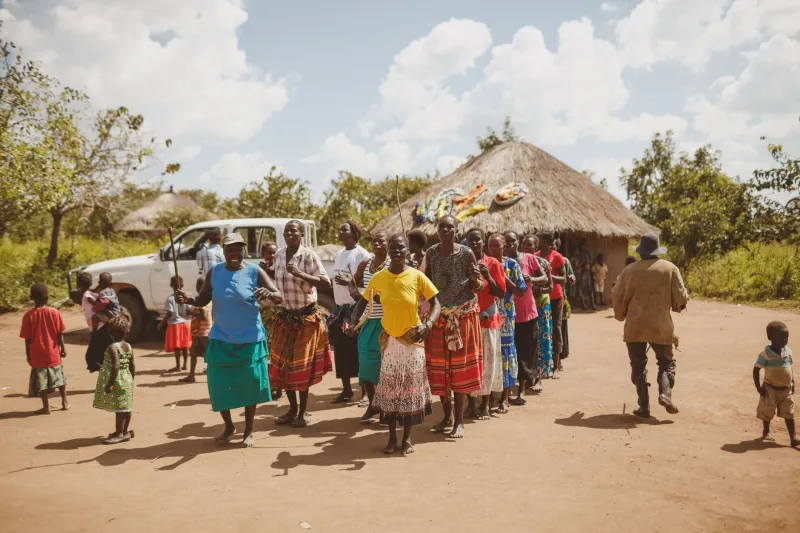
You can find the real mosh pit at Wakati Wetu by following the folding chairs. It is a circle of aunties near the shade, cooler packed, commentary ready, phones out for photos of every passing grandchild. They are not waiting for the festival to start. They are already running it.
That is not a cute detail. It is a design principle. In 2026, U.S. festivals are still largely built around a young, standing, late-night crowd. Wakati Wetu has a chance to model something different: an intergenerational festival where elders are not tolerated guests but anchor participants. The aunties' circle is not the opposite of the dance floor. It is what makes the dance floor possible.
The Aunties Are Running Soundcheck
Watch what happens before a main-stage set. An elder finds a seat. Then another elder finds that elder. Then a teenager is sent for water. Then a toddler is parked with a grandmother while a parent runs to the food line. Within twenty minutes, a small social ecosystem has formed. The aunties are tracking who is dancing, who is missing, who needs sunscreen, and which vendor has the shortest line.
This is unpaid labor, and it is festival infrastructure. Storytelling circles, seated dance zones, and family-friendly scheduling do not just make elders comfortable. They make the whole site more legible. They slow the pace in a good way. They give younger attendees a place to land that is not a bar or a merch tent.
What U.S. Festivals Lose When They Design for 22
When a festival designs only for young crowds, it loses memory. It loses the person who can explain why a particular rhythm matters, or who remembers the song from a different decade, or who can tell a child where a language comes from. It also loses practical help: grandparents who can hold a spot, aunties who can braid hair, elders who can calm a meltdown with a story.
It loses money, too. Diaspora families do not buy single tickets. They buy in groups. They plan around school schedules, nap times, and mobility needs. If the site has no shade, no seating, no quiet corner, and no schedule that respects a 7 p.m. bedtime, that family stays home. The loss is not just attendance. It is the next generation of festivalgoers.
A Practical Model: Seats, Shade, and a Schedule That Breathes
The good news is that elder-friendly design is not expensive. It is mostly intentional. Start with seating that is actually visible from the stage — not a distant bench, but a real seated zone with sightlines. Add shade that is not an afterthought. Keep water refill stations close to where people sit. Allow folding chairs. Mark quiet zones on the map.
Then look at the schedule. A family-friendly festival does not have to end at sunset, but it should have a clear early block that works for grandparents and young children. Put storytelling circles before the loudest sets. Give seated dance zones their own space near the music, not shoved behind a fence. Train volunteers to help with mobility, hearing protection, and meeting points.
Finally, build in the social glue. Invite elders to host short stories between sets. Create a family check-in tent. Offer a multi-generational ticket. Make sure the food lines have chairs nearby. These are small moves with big returns.
The Dance Floor Is Bigger Than the Pit
The mosh pit is a beautiful thing for the people who want it. But a festival is not only a pit. It is a village with a sound system. At Wakati Wetu, the aunties' circle is where the village checks in, where children learn the steps, and where the night gets its rhythm. If we design for the elders, we do not shrink the dance floor. We expand it.