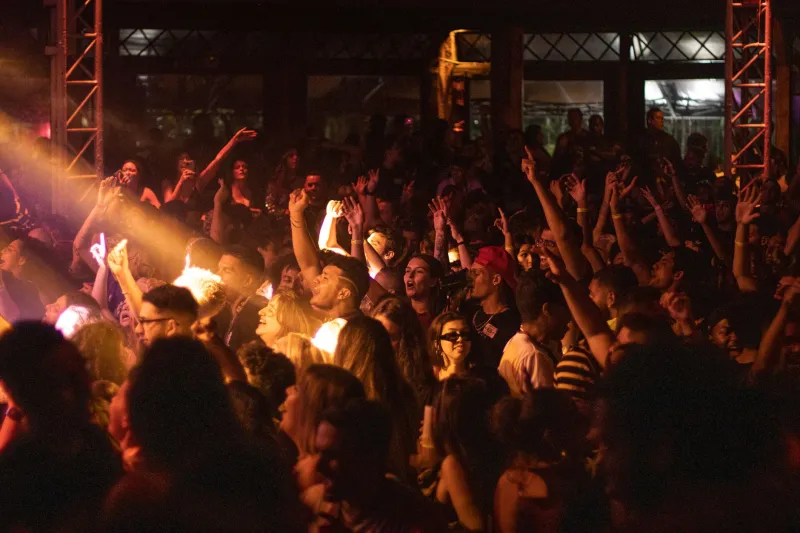
What the Merch Tent Knows: Five Handmade Objects Worth the Suitcase Space
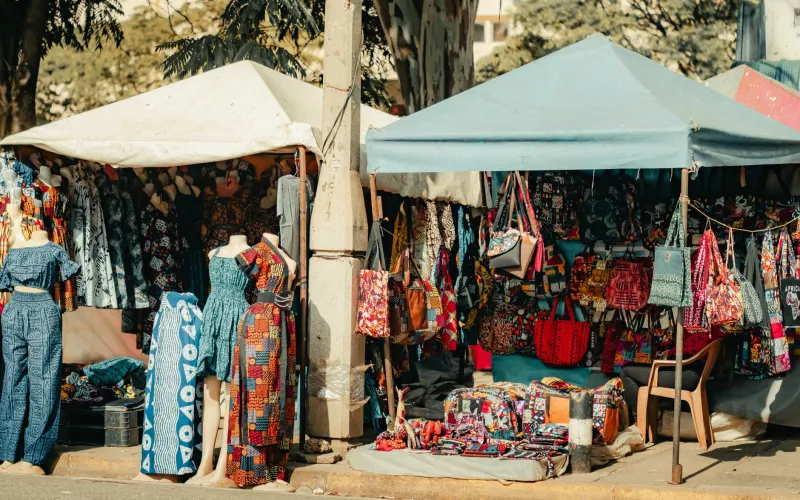
The merch tent at Wakati Wetu has never really been a merch tent. Walk past the T-shirt racks on the east side of the grounds and you hit a row of tables that smell like indigo, cedar shavings, and beeswax. Vendors from Abeokuta, Brikama, Harare, Durban, and Kumasi set up before the gates open and pack up after the last encore. Most of them will spend four days explaining the same thing: this is not a souvenir. This is somebody’s family trade.
So here is a shopper’s guide with teeth. Five objects you will see at this year’s festival, the lineages behind them, and the questions that turn a purchase into something closer to patronage than a souvenir run.
1. Adire Cloth That Still Comes Out of a Dye Pit
The deep blue wrap cloths hanging at the north end of vendor row are adire, made by Yoruba dyers whose workshops sit near Abeokuta in southwest Nigeria. The color is not paint. It is fermented indigo, and the patterns are often drawn with cassava paste before the cloth ever touches the vat.
The vendor at Wakati Wetu this year is a second-generation dyer whose mother still works the pits; she runs the shipping and the US side of the business from Houston. Pattern names carry proverbs, and she will tell you which ones if you ask. She will also tell you the first wash will bleed. That is not a defect. Indigo is supposed to move.
Ask before you buy: how many dips the cloth took, and whether the pattern is hand-drawn or stenciled. The answer changes the price, and it should.
2. A Kora With a Maker’s Name Attached
A kora looks impossible up close — 21 strings running from a notched bridge over a halved calabash wrapped in cowhide. The instrument you will hear on the main stage tonight probably came from a griot workshop in Brikama, Gambia, where the craft passes down through families and a single instrument can take weeks.
The family selling at Wakati Wetu has a branch in the Bronx that handles repairs and stringing for US players. They will let you hold one. They will also, gently, correct you if you call it a harp.
Ask before you buy: who built the body, and how long it has been curing. A kora that still smells faintly of smoke and hide is not a red flag — it is a good sign.
3. An Mbira Tuned for a Specific Song
Zimbabwean mbira — the thumb piano with metal keys mounted on a hardwood board — is the quietest thing in the loudest tent. The keys are often cut from spring steel or, in older instruments, flattened spoon handles. Bottle caps or shells ride on the board to add a buzz that many listeners describe as the sound of ancestors joining in.
The Harare family at this year’s festival has a cousin in Dallas who handles orders stateside. Their mbira are tuned for particular pieces in the Shona repertoire, which means the instrument you fall in love with on Thursday might only fully make sense in one key, in one song.
Ask before you buy: which tuning this one is, and whether they will send a recording of it being played. Three minutes of reference audio is worth more than any care label.
4. Zulu Beadwork That Says Something
At the colorful tables near the food stalls, beaded collars and belts from KwaZulu-Natal carry a color code that predates the festival by generations. In the traditional system, combinations of bead colors communicate messages — affection, longing, status, refusal. The Durban vendor now based in Atlanta learned the code from her grandmother and keeps a printed key on the table for buyers who think they are looking at a necklace.
Ask before you buy: what the colors mean together, not one at a time. And if a piece is priced by the hour of beadwork rather than the gram of plastic, you are talking to the right person.
5. Lost-Wax Brass From a Kumasi Foundry
Adinkra symbols turn up on everything from airport keychains to tattoo flash, but the brass pendants cast by Ashanti foundries in Kumasi are a different animal. Each piece is modeled in wax, packed in clay, fired, and poured — one mold, one object. Sankofa, nkyinkyim, duafe: every symbol is shorthand for a proverb, and the caster usually knows which one.
The vendor family at Wakati Wetu pours in Kumasi and sells out of the DC and Baltimore area. Ask for the meaning card. If there isn’t one, ask them to write it down.
How to Shop the Row Without Flattening It
A few habits go a long way.
- Ask who made it, out loud. The question signals that the answer matters, and vendors remember the people who ask.
- Do not open with a discount request. Many of these goods are priced against hours, not margins. Haggling on a $30 item is haggling on someone’s rent.
- Buy one considered thing instead of five impulse buys. A single well-made mbira beats a tote bag, two keychains, and a regret.
- Ask about shipping and customs early. Indigo and wood travel fine. Brass and hide sometimes need paperwork.
- Take the maker’s card. Half the value of these objects is the person you can email in March when you want a second one.
Why the Tent Matters After the Gates Close
Vendors here pay for their booths, keep their own sales, and often fly in stock they cannot easily replace. That means the economics are simple and a little brutal: a slow Saturday in the tent does not get made up on Sunday.
But it is also the most direct line any festivalgoer has to an African workshop. The stage is where the sound comes from. The tent is where the people who made the sound’s tools keep working. Buy accordingly, and the festival keeps going home with you in more than a playlist.