The Crack That Flew Coach: One Kora’s First Hour in Wakati Wetu 2026’s Repair Tent
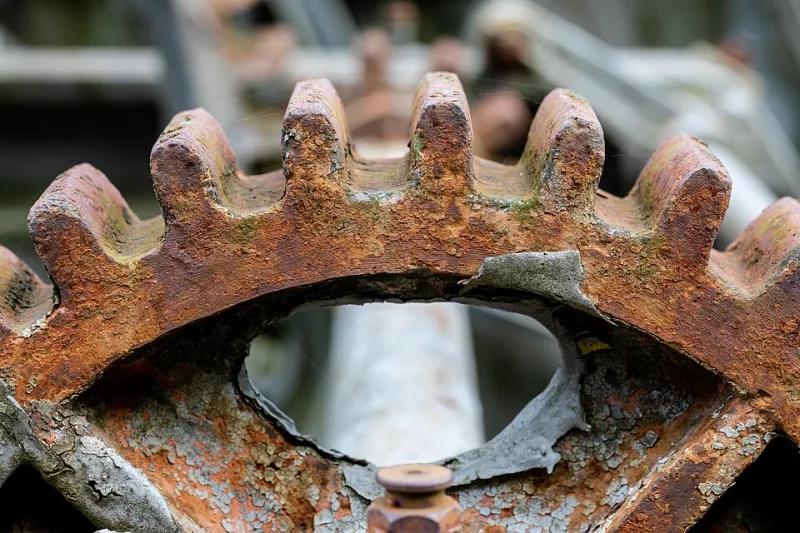
Photo: Dietmar Rabich, CC BY-SA 4.0, via Wikimedia Commons
The tag goes on before the story does
At 9:42 on opening morning, a kora arrives at Wakati Wetu 2026 in a case held together with gaffer tape and hope. The owner is a Brooklyn-based player named Mariam. She has flown overnight, cleared customs, waited at the carousel, and hauled the case past the coffee line like it is a sleeping relative. The case looks fine. The instrument inside does not.
The repair tent sits behind the main stage, past the pallet of water bottles and the folding table where someone has already spilled a bag of groundnuts. It is not glamorous. It is a canopy, two workbenches, a rack of clamp lights, a box of nitrile gloves, and a handwritten sign that reads: Intake here. Tell us what happened, not what you think is wrong.
That sign matters. By 10 a.m., the tent has seen a djembe with a split rim, a guitar whose neck moved in the dry air of a connecting flight, a talking drum with a tension rope that gave up somewhere over the Atlantic, and a calabash wrapped in a hotel towel. Each one gets a paper tag. The tag asks for the player’s name, the instrument’s age, where it was made, what it sounded like before the trip, and whether the player has a set today. The tag does not ask for a diagnosis. That comes later.
First five minutes: listen, don’t fix
The volunteer luthiers work in pairs. One handles wood and structure. One handles setup and electronics. A sound tech floats between them, checking pickups, cables, and the practical question that hangs over every repair: what does this instrument need to do in the next few hours?
Mariam’s kora gets tag 014. The intake volunteer, a retired furniture restorer from Chicago named Dale, asks her to open the case slowly and not lift the instrument out by the neck. She does. The calabash is intact. The hide is intact. The crack runs along the hardwood neck, near the joint where the strings bear down. It is not a dramatic break. It is the kind of crack that makes a player hold her breath.
Dale runs a finger along the crack without pressing. He asks Mariam to play a phrase. She does, quietly. The kora sounds like itself, but the tuning drifts on the upper strings. Dale nods. “Okay,” he says. “This is not a funeral. This is a setup problem with a crack in the middle of it.”
That line gets repeated around the tent all day. It is not a slogan. It is triage. The team separates instruments into three groups: stage-ready, bench-ready, and counseling. Stage-ready means it can play today with minor adjustment. Bench-ready means it needs glue, clamping, or a new part before it goes on. Counseling means the honest conversation: this instrument should not travel again until it has a proper case and a proper repair.
The crack is not the emergency
In travel repair, the obvious damage is rarely the whole story. A crack in a neck is serious, but a loose bridge under tension is worse. A split djembe rim is serious, but a skin that has dried unevenly can fail under a hand. A guitar with a swollen top is serious, but a truss rod that has been cranked by three different people is a trap.
The tent’s lead luthier, a Denver-based builder named Ife, keeps a laminated card taped to the bench. It lists the common travel fixes: detune before flying, loosen drum ropes, pack the case with the instrument’s weight in mind, do not check a repair you cannot afford to lose, and never trust a case that has been on a conveyor belt without inspecting the hinges. The card is not a lecture. It is a checklist for people who are tired.
Ife’s first move on the kora is not glue. It is measurement. He checks the neck relief, the bridge height, the string spacing, and the angle of the tuning pegs. He asks Mariam who made the instrument. She says her uncle, in Gambia, in the late 1990s. Ife asks what it sounded like then. Mariam laughs. “Louder,” she says. “And I was worse at playing it.”
Ife does not laugh at the instrument. He lifts it carefully, turns it in the light, and shows Mariam where the crack has been stable for years and where it has recently moved. He explains that he can stabilize it for today’s set with a temporary cleat and a light clamp, but he will not hide the crack. “We are not restoring this,” he says. “We are getting you to the stage without making tomorrow worse.”
A stranger’s hands, a grandmother’s tuning
This is the part that is hard to write around. A musician hands over an instrument that carries family history, and a volunteer they met an hour ago puts a clamp on it. That is not a small thing. For diaspora players, the instrument is often the most direct line to a sound that grandparents carried. It is not just gear. It is a sentence in a language that does not always have a translation.
Mariam watches Ife work. She does not hover. She sits on a folding chair and answers questions about the tuning she uses, the phrases she plays, and whether the instrument has ever been repaired before. When Ife asks if she wants to hold the neck while he clamps, she says yes. He shows her where to put her hands. For a few minutes, the repair is a duet.
The tent has a rule for this: the player stays in the room. No instrument leaves the bench without the owner seeing what was done. The team will explain a repair in plain language. They will not promise a miracle. They will not pretend a crack is a scratch. The trust is built in the explanation, not in the clamp.
By 11:15, the kora is back in Mariam’s hands. The temporary cleat is small. The tuning has been stabilized. Ife tells her to play for five minutes, then bring it back for a check. She plays a phrase that sounds like a question. The tent goes quiet in the way a room goes quiet when everyone is listening without pretending not to.
The stage is a test, not a cure
At 1:30, Mariam plays her set on the community stage. The kora holds. The upper strings drift a little, as they will, and she tunes between songs. The repair tent volunteers watch from the side. They are not there to applaud. They are there to see whether their work survives contact with an audience.
After the set, Mariam brings the kora back. Ife checks the cleat. Dale writes a note on the tag: Stable for today. Needs permanent repair before next flight. Recommend hard case and humidity pack. Mariam reads it and nods. She asks if she can keep the tag. Dale says yes. The tag is not a receipt. It is a record of what happened.
By the end of the day, the tent has processed 31 instruments. Some are simple fixes: a swapped cable, a tightened lug, a bridge shim cut from a piece of maple. Some are not. A guitar goes home with its owner because the team will not risk a repair on a festival timeline. A djembe gets a new rope and a stern talk about checking baggage. A talking drum gets a temporary patch and a recommendation for a builder in Maryland.
The tent does not fix everything. It is not supposed to. It is a place where the festival admits that instruments travel hard and musicians trust strangers with the sound of their families. That trust is not a vibe. It is a process: tag it, listen, explain, repair what you can, and tell the truth about what you cannot. Wakati Wetu means our time. In the repair tent, that time starts before the first note and ends after the last clamp comes off.