Nobody Leaves Alone: The Quiet Choreography Behind Wakati Wetu’s Last Hour
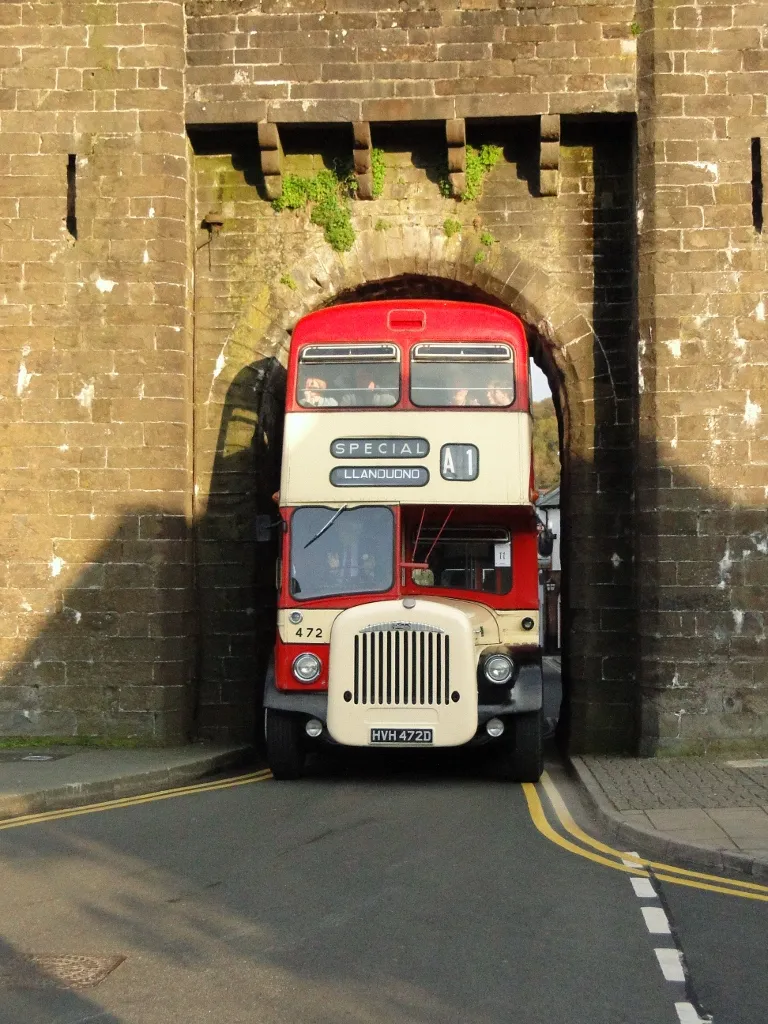
Photo: Sherpa_536, CC BY 2.0, via Wikimedia Commons
The Last Song Is Not the Last Cue
On most festival grounds, the headliner hits the final chorus and a quiet panic takes over. Tens of thousands of people suddenly remember they need to get somewhere, and everyone seems to have the same idea at the same second. At Wakati Wetu 2026, the closing-night exit is treated less like crowd control and more like the final piece of programming — a set with its own cues, its own crew, and its own emotional arc.
That might sound like overplanning for a music festival. But anyone who has stood in a dark parking lot waiting for a rideshare that keeps canceling knows the ride home can color the whole night. Wakati Wetu’s team is building the closing-night plan around a simple idea: getting home safely is part of community care. It is not the boring appendix to the festival. It is the last thing guests remember.
A Shuttle Schedule That Breathes
The backbone of the plan is a staged shuttle schedule. Instead of stacking every departure at the same minute the main stage goes dark, Wakati Wetu 2026 spreads departures across a window that starts before the final song and continues well after it. Some shuttles are timed for people who want to slip out early — families with kids, elders, anyone who knows the joy of beating the crush. Others hold at the pick-up point until the closing crowd arrives.
That overlap matters. A rigid schedule looks efficient on paper, but it snaps the moment a set runs long or a drum circle pulls people toward one more song. The festival’s transport volunteers get updates from stage managers, so shuttle bays can flex instead of leaving people stranded while a bus idles nearby. The goal is not to rush anyone out. It is to make sure the wait feels short, visible, and safe.
The Rideshare Zone Has a Host
Rideshare apps are great until everyone opens them at once. Wakati Wetu 2026 sets aside a marked, well-lit pick-up zone with a dedicated host — a real person, not just a sign — who helps match riders, confirm car details, and keep the line moving. The zone is placed away from shuttle traffic and pedestrian flows so cars are not threading through crowds.
For US festivalgoers used to the classic “walk half a mile and hope,” this is the kind of detail worth copying. A hosted rideshare zone does two things at once: it gives drivers a clear place to land, and it gives guests a clear place to wait. That clarity cuts down on the anxious circling that makes late nights feel chaotic. It also makes it easier for friends to find each other after the music stops.
Wayfinders in Bright Vests
Volunteer wayfinders are the festival’s human GPS. They wear bright vests, carry small lights, and stand at the junctions where paths cross — the spots where tired people tend to drift in the wrong direction. Their job is not to bark orders. It is to answer the same three questions over and over with a smile: Where is the shuttle? Where is the rideshare zone? Where is the nearest water or first-aid tent?
That repetition is the point. A festival exit works better when information is human and close by. Signs help, but signs cannot notice that someone is wobbling, or that a group has split up, or that a first-timer is too overwhelmed to read a map on their phone. Wayfinders can. They are the difference between a crowd that feels managed and a crowd that feels looked after.
Late-Night Safety Checks Are Not Glamorous
Behind the scenes, the closing-night plan includes a quiet checklist that guests will never see. Volunteers walk the grounds after the main stage clears, checking lighting in the far corners, scanning the lost-and-found table, and making sure no one is sleeping or stranded near the exits. First-aid teams stay in position longer than the music does. Security and transport leads share radio updates so a delayed shuttle does not turn into a confused crowd.
None of this makes for a flashy festival story. But it is exactly the kind of backstage work that lets a community event scale without losing its warmth. Wakati Wetu’s organizers know that a safe exit is not just about traffic flow. It is about elders who need a slower walk, workers who need to catch the last train, and guests who came alone and should not leave alone.
The Singalong While You Wait
Here is the part that feels unmistakably Wakati Wetu: the wait itself becomes a scene. When a shuttle line stretches longer than expected, someone starts a song. A volunteer picks it up. A few people join in, then a few more. It is not staged entertainment. It is the natural spillover of a festival built around communal music.
That is the cultural argument for planning the exit carefully. If people feel safe and informed, they relax. If they relax, they talk, laugh, and sing. The last hour stops feeling like a scramble and starts feeling like a soft landing. For US festivalgoers, the lesson is not that every event needs a choir at the shuttle stop. The lesson is that exit planning is part of hospitality. Treat the ride home as part of the set, and the whole night ends on a better note.