Load-Bearing Group Chats: How Diaspora Crews Keep Wakati Wetu on Time
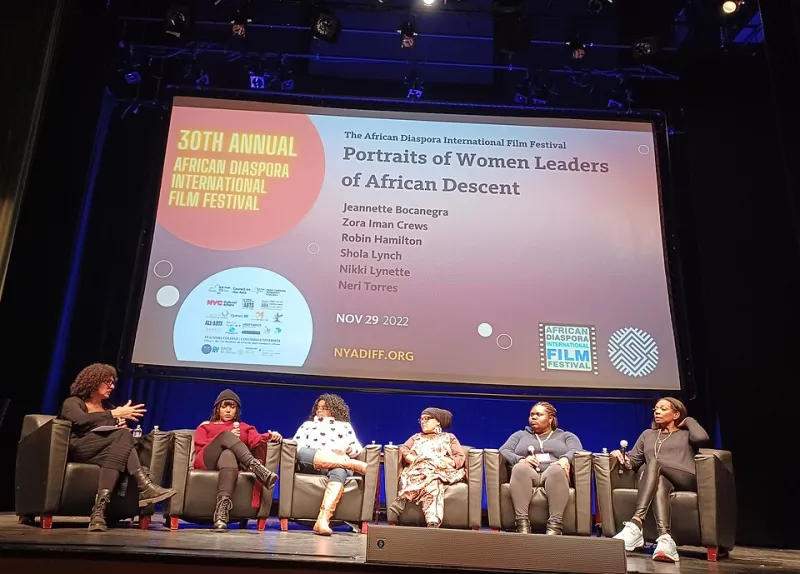
Photo: Adjoajo, CC BY-SA 4.0, via Wikimedia Commons
On a Wakati Wetu show morning, the main stage is still a skeleton of truss and cable. The real production office is a phone. Somewhere in a family group chat, a volunteer captain is asking who can cover the 7 a.m. gate shift. Someone’s auntie has already replied with a voice note, a name, and a reminder to bring the folding table from the car. By the time the production walkie-talkies crackle to life, half the day’s logistics have been settled by people who have never worn a laminate.
That is not a charming side story. It is the operating system. Across US diaspora communities—Houston, Atlanta, the DC-Maryland-Virginia corridor, Minneapolis, Seattle, New York and New Jersey—Wakati Wetu draws on networks that already know how to move food, children, elders, chairs, and information without a formal org chart. The festival does not invent that trust. It borrows it, respects it, and tries not to break it.
The First Shift Starts in the Chat
The first Wakati Wetu shift does not begin when a volunteer scans a badge. It begins days earlier, when a captain drops a schedule into a WhatsApp thread and waits for the replies to sort themselves into a plan. In many diaspora families, the group chat is where practical love lives: ride offers, hospital visits, church announcements, remittance updates, recipe swaps, and the occasional stern reminder about who forgot to call their mother.
Festival organizers have learned to work with that rhythm instead of against it. Rather than blasting a generic sign-up link into the void, crew captains go through people they already know. A church auntie recruits her pew neighbor. A cousin recruits the cousin with a minivan. A volunteer who speaks Twi, Yoruba, Kinyarwanda, or Portuguese becomes the person who can explain the shift to an elder without making the elder feel processed. The result is a crew that looks less like a spreadsheet and more like a neighborhood.
For a US audience used to event apps and QR-code check-ins, this can look inefficient. It is not. It is redundancy. If the app fails, the chat still works. If the chat goes quiet, the captain calls. If the captain is slammed, the auntie network has already anticipated the problem and sent someone with a cooler.
Auntie Authority Is Not a Metaphor
At Wakati Wetu, the word auntie is doing real work. It is an honorific, a relationship, and sometimes a gentle warning. Aunties are often the people who can say no to a artist’s last-minute request, yes to a hungry crew, and wait to a volunteer who is about to wander off-schedule. They hold social authority that no badge can manufacture.
That authority matters because festival schedules are fragile. A set time is not just a number on a page; it is a chain of dependencies. Soundcheck runs late, a shuttle gets stuck, a food vendor needs ice, an elder needs a chair in the shade, a performer needs ten quiet minutes. The person who can solve those problems fastest is rarely the one with the fanciest radio. It is the one who knows which volunteer has a car, which vendor has extra cups, and which teenager can be trusted with a cash box for twenty minutes.
Organizers say the 2026 edition has leaned harder into captain-led crews for exactly that reason. Captains are given clear lanes, real contact lists, and permission to make small calls without escalating every decision. That sounds basic. In practice, it is a cultural shift. It means trusting the people who already coordinate funerals, weddings, church buses, and family reunions to coordinate a festival shift too.
The Food Train Is Also a Scheduling Tool
Ask a Wakati Wetu volunteer what keeps the day honest and you may hear about radios, run-sheets, or stage managers. Ask again after lunch and you will hear about food. The food train is not just hospitality. It is timekeeping. A crew that knows hot food is coming at a certain hour will hold the line until that hour. A artist who knows the green room has something familiar waiting is less likely to disappear into the city. A volunteer who is fed is less likely to ghost a shift.
In US diaspora communities, feeding people is often how care gets translated into action. Someone makes enough jollof for the whole table. Someone else brings plantains because the first person always underestimates. A cooler appears with drinks. A church kitchen becomes a staging ground. Wakati Wetu’s organizers have learned to plug into those habits rather than build a separate hospitality bureaucracy from scratch. The festival provides the structure; the community provides the muscle memory.
That is also why the schedule can stay honest. When the food train is late, everyone knows. When a shift is understaffed, the chat lights up. When an artist needs a specific comfort, the auntie network does not treat it as a crisis. It treats it as a request with a known address.
What Other Festivals Get Wrong
The lesson for other cultural events is not “make a WhatsApp group and hope.” The lesson is that trust networks are infrastructure. They need maintenance. They need clear roles. They need someone to answer the phone. They need organizers who do not show up only when they need bodies.
Wakati Wetu’s volunteer captains tend to be people who have been in community long enough to know the difference between a helpful offer and a liability. They can tell when a newcomer is eager but overwhelmed. They can spot the elder who will not ask for a chair. They can redirect a well-meaning volunteer who wants to “help” by taking over a task that already belongs to someone else. That kind of judgment does not come from a training video. It comes from years of showing up.
For festivals trying to copy the model, the first step is not software. It is respect. Pay attention to who already coordinates people in the community. Give them real authority. Feed their crews. Close the loop after the event. Do not treat diaspora networks as free labor with a cultural flavor. Treat them as partners who know things the production office cannot learn from a spreadsheet.
Trust Is the Software
By the time the gates open at Wakati Wetu, the group chats have done their quiet work. The schedule is posted, but it is also held. It is held by the auntie who knows which volunteer needs a ride. It is held by the captain who can swap a shift without a meeting. It is held by the cousin who shows up early because someone said please.
That is the part of festival-making that rarely makes the stage photo. It is also the part that makes the stage photo possible. Wakati Wetu’s timeline is not run by an app alone. It is run by people who have been practicing community long before anyone asked them to volunteer. The festival’s job is to notice that, protect it, and let it lead.