The Dress Rehearsal Is in the Group Chat: Fabric, Family, and Wakati Wetu 2026
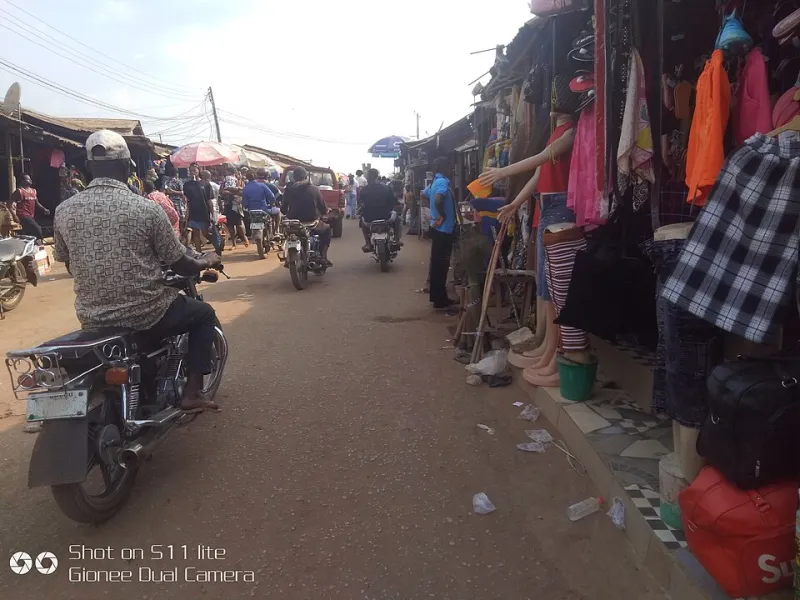
Photo: NiferO, CC BY-SA 4.0, via Wikimedia Commons
At 10:40 on the first morning of Wakati Wetu 2026, the gate is already a runway. A grandmother in a green-and-gold kente wrap adjusts the fold at her hip. Two teenagers in matching adire bucket hats argue about whether their sneakers count as festival shoes. A man in a faded denim jacket with an Ankara-lined collar is holding a cardboard coffee while someone behind him yells, “Aunty, turn around, let me see the back.” The music is still an hour away. The crowd is already talking.
That conversation is the real opening act. Outfits at Wakati Wetu are not just outfits. They are family archives, group-chat decisions, vendor relationships, and a running debate about who gets to wear what, and how. The festival grounds are a place where the question of dressing up becomes a diaspora conversation with no single answer — and that is exactly what makes it worth watching.
The Group Chat Starts in Spring
Ask around the fabric stalls and you will hear the same timeline. Planning for Wakati Wetu looks starts early. Not on the day tickets go live — earlier. In group chats with names like “Wakati Looks 2026” or “Reunion Fit Check,” cousins send photos of fabric bolts, tailor receipts, and the one uncle who says he is not dressing up and then asks for a matching pocket square.
“We have a family color,” says Renee, a nurse from outside Atlanta who is here with eleven relatives. “Every year we pick one. This year it is burnt orange and cream. My auntie picked it in February. By April we had three tailors involved. By June we were arguing about whether my brother could wear sneakers. He can. He did.”
The arguments are not really about clothes. They are about memory — what a grandmother wore to a naming ceremony, what a father wore on Sundays, what a family looked like in a photograph that now lives on someone’s phone. Dressing for the festival is a way of bringing those references into the same field as the bassline.
Wax Print Has a Passport
Ankara is the loudest presence on the grounds, and also the most complicated. Walk past the fabric stalls and you will see wax print in every direction: bold circles, cracked-egg patterns, geometric grids, and the kind of saturated color that makes a phone camera work harder. Vendors sell it by the yard. Tailors sell it by the silhouette. Families wear it as a uniform.
But ask a vendor where the cloth comes from and you get a more layered story. Wax print has a global passport. Dutch merchants helped industrialize the technique, West African markets made it their own, and today it moves through Accra, Lagos, London, Brooklyn, and Houston simultaneously. For some people that history is a footnote. For others it is the whole point.
“I tell customers, this is not a costume,” says Ama, who runs a stall near the main path. “If you are going to wear it, wear it with respect. Ask questions. Buy from people who know the cloth. Do not treat it like a tablecloth.”
That respect question comes up in different ways across the grounds. A non-African festivalgoer in a wax-print skirt might get a compliment, a side-eye, or a short conversation depending on who is doing the looking. There is no single rulebook. What you hear most often is a request for context: know what you are wearing, know where it came from, and do not act like you invented it.
Kente Is Not a Costume
Kente carries a different weight. The handwoven cloth is associated with Ashanti and Ewe traditions in Ghana, and its patterns can carry meanings, proverbs, and status. At Wakati Wetu, you will see it in full regalia and in small gestures — a strip on a jacket, a headwrap, a bag, a ribbon on a hat.
For the families who wear it, the planning is often serious. “We do not just pick a color,” says Kwame, a teacher from the DMV area who is here with his mother and two daughters. “My mother knows what patterns mean. She will say, that one is for a funeral, that one is for a celebration. We listen. Then my daughters negotiate.”
That negotiation is part of the festival experience. The younger generation wants comfort and flexibility. The elders want the correct cloth for the correct moment. The compromise often involves wearing kente for the evening sets and changing into something easier for the afternoon dance floor. It is not a compromise that weakens the tradition. It is a compromise that keeps it in motion.
Adire and the Softness Question
Adire — the indigo-dyed cloth associated with Yoruba textile traditions — shows up in tie-dye swirls, resist patterns, and deep blue tones that look especially good under string lights. It is also the fabric most likely to start a practical conversation about heat.
“People ask, is it going to bleed? Is it going to be heavy? Can I dance in it?” says Tola, a tailor who has a small rack near the community stage. “Those are not silly questions. If you are going to be on your feet for six hours, you need to know what the cloth does when you sweat.”
Her advice is simple: buy from a vendor who will tell you how the fabric was dyed, wash it once before the festival, and do not wear new indigo over white sneakers unless you are at peace with the outcome. The festival is not a museum. Cloth is meant to move.
Denim Does the Heavy Lifting
Secondhand denim is the quiet workhorse of Wakati Wetu style. It is the thing you throw on when the schedule is long and the weather is unpredictable. It is also where the diaspora conversation gets playful. A vintage Levi’s jacket with a kente strip on the back. Adire patches on a thrifted jean skirt. An Ankara-lined collar on a denim vest that looks like it has been to three continents and a basement show.
“Denim is the neutral,” says Maya, a stylist from Los Angeles who is shopping for patches. “Nobody questions it. Then you add the fabric that means something. That is the whole outfit.”
Secondhand denim also keeps the festival from turning into a single-look parade. Not everyone can afford custom tailoring. Not everyone wants to wear wax print from head to toe. A pair of thrifted jeans and a strong accessory can be just as intentional as a full family uniform. The grounds do not grade on effort. They grade on presence.
The Dance Test
Ask enough people about their outfits and you will hear the same final filter: the dance test. Can you raise your arms? Can you bend? Can you sit on the grass without worrying about the seam? The festival is not a photo shoot, even if the photo shoot keeps happening anyway.
“I love a dramatic sleeve,” says Renee, laughing. “But I also love dancing. So the dramatic sleeve comes off at 9 p.m. That is the rule.”
That practical wisdom runs through the whole crowd. The best-dressed people at Wakati Wetu are not the ones who look most expensive. They are the ones who planned for the day — the ones who brought a layer, wore shoes they can stand in, and made peace with the fact that wax print and sweat are going to meet.
Field Guide: Fabric Stalls Worth Your Time
- Ama’s Yardage (main path, near the east gate): Strong selection of wax print and a vendor who will actually tell you what you are buying. Ask about the provenance.
- Tola’s Rack (beside the community stage): Adire pieces, simple tailoring, and honest advice about dye and dancing.
- The Kente Corner (behind the food stalls): Smaller strips and accessories if you are not ready for a full cloth. Good for patches and headwraps.
- Second Stitch (near the lost-and-found table): Thrifted denim, patches, and a tailor on site for quick fixes. Bring your own fabric if you want a custom patch.
Before the First Note
The music will start soon. The gates will get busier. Someone will lose a shoe. Someone will find a cousin they have not seen since the last festival. And the outfits will keep doing what they have been doing all morning: telling stories before anyone says a word.
That is the fabric of the crowd at Wakati Wetu 2026 — not a uniform, not a costume, but a conversation you can see. Wear what you mean. Ask what it means. And make sure you can dance in it.